
Treatment for Plantar Warts at Bend Foot & Ankle in Bend, OR
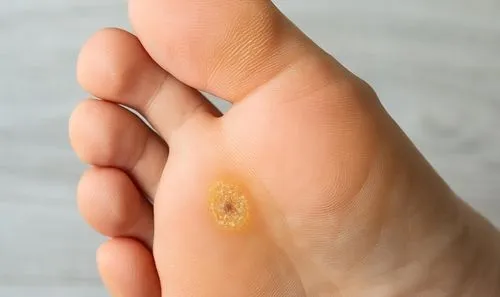
At Bend Foot & Ankle in Bend, OR, we treat plantar warts with a clear focus on comfort, effectiveness, and long-term skin health. These growths develop on the soles of the feet and often cause pain with walking or standing, especially when pressure builds over time. Because they can look similar to other foot conditions, accurate diagnosis matters. Dr. Brent Wendel, a board-certified podiatrist, provides input at every stage of patients’ care.
What Plantar Warts Are and Why They Persist
Plantar warts form when a strain of the human papillomavirus enters the skin through small cuts or weakened areas on the foot. The virus thrives in warm, moist environments, which makes locker rooms, pools, and shared showers common sources of exposure. Once established, plantar warts can grow inward due to body weight and develop thickened skin that causes discomfort or sharp pain. Without professional care, they often spread or become harder to treat.
How We Diagnose Plantar Warts
We begin with a thorough clinical examination of the foot. We look for hallmark features such as interruption of normal skin lines, pinpoint bleeding beneath the surface, and localized tenderness with side-to-side pressure. When needed, we differentiate plantar warts from calluses or corns to avoid ineffective treatment. This careful evaluation allows us to recommend therapies that target the virus itself, not just the surface skin.
Treatment Options Focused on Results
We tailor treatment plans based on the size, depth, and duration of the plantar warts, as well as the patient’s activity level and comfort needs. Our approach may include topical therapies, in-office procedures, or a combination of treatments designed to remove the lesion and stimulate the body’s immune response. Dr. Wendel explains each option clearly so patients understand what to expect and how treatment supports healing.
Why Professional Treatment Matters
Over-the-counter remedies often fail to fully address plantar warts and can irritate healthy skin. Professional care reduces the risk of recurrence, limits spread to other areas of the foot, and shortens recovery time. Our goal stays consistent: relieve pain, restore normal skin function, and help patients return to daily activities without discomfort.