
Gait Abnormalities in Bend, OR
Understanding Biomechanical Gait Abnormalities
A normal gait depends on the coordinated movement of the foot, ankle, leg, and hip. When one area becomes weakened, misaligned, or overworked, the body compensates in ways that alter how weight is distributed with each step. Common causes include flat feet, high arches, limb length differences, joint stiffness, muscle imbalance, or previous injuries such as sprains or fractures. These abnormalities may lead to symptoms such as aching in the feet or ankles, fatigue after short periods of standing or walking, recurring injuries, or uneven shoe wear.
When to See a Podiatrist
Gait problems tend to develop gradually, and it is easy to overlook them until pain becomes persistent. If you experience imbalance, repeated ankle sprains, foot pain that worsens with activity, or difficulty walking with a smooth gait, it is best to see a podiatrist. Early evaluation may prevent long-term conditions such as tendonitis, plantar fasciitis, arthritis, or joint strain farther up the body.
How Dr. Wendel Examines Gait Abnormalities
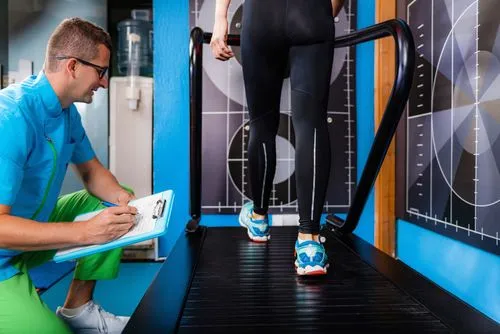
A biomechanical gait analysis begins with a review of symptoms, activity level, and past injuries. Dr. Wendel then evaluates foot structure, range of motion, muscle strength, and alignment while standing, walking, or performing functional movements. Imaging may be used to detect structural issues when needed. This detailed assessment determines how each segment of the foot and ankle contributes to gait deviation and which factors require correction.
Non-Operative Treatment Options
Treatment for gait abnormalities is customized to the specific mechanical issues affecting each patient. Options may include:
- Custom orthotics to improve alignment and support proper foot mechanics
- Strengthening and stretching programs for muscles that guide balance and movement
- Bracing or supportive footwear to stabilize weak or unstable joints
- Physical therapy focused on retraining movement patterns and improving flexibility
- Activity modification to reduce strain while healing
These conservative measures help restore proper motion, reduce pain, and prevent recurring injuries.
Supporting Long-Term Mobility
Correcting gait abnormalities does more than improve comfort—it protects the feet and ankles from future strain. Dr. Wendel provides ongoing guidance to help patients maintain healthy biomechanics through home exercises, proper footwear choices, and gradual return-to-activity plans. This proactive approach helps patients stay active with greater stability and confidence.